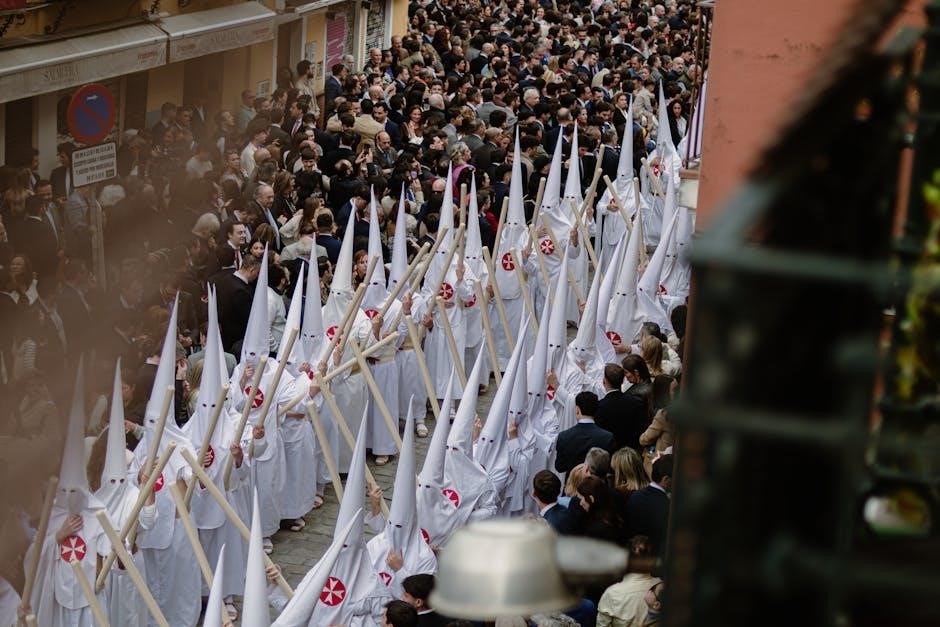
Passion Week Timeline: A Comprehensive Guide (2026)
Passion Week, culminating in Easter, is meticulously charted with resources like BibleTimeLines.com and downloadable PDF plans for focused study and reflection.
Passion Week, the final week of Jesus’ earthly life, is a profoundly significant period for Christians worldwide. It’s a time for deep reflection on His sacrifice and the events leading to His resurrection. Many utilize Passion Week timelines, often available as downloadable PDFs, to systematically follow the scriptural accounts. These resources, like those found on BibleTimeLines.com, offer a chronological framework for understanding the weight of each day.
The week encompasses events from the Triumphal Entry into Jerusalem to the Crucifixion and ultimately, the anticipation of Easter. PDF guides often include scripture references, devotional prompts, and worksheets to enhance personal study and comprehension of Christ’s final days.
The Significance of a Passion Week Timeline
A Passion Week timeline, particularly in PDF format, provides crucial context for understanding the rapid succession of events surrounding Jesus’ death and resurrection. It moves beyond simply knowing what happened to grasping when and why each event unfolded. Resources like those from The Disciple-Making Parent emphasize the disproportionate scriptural focus on this final week, highlighting its importance.
PDF timelines aid in connecting the narratives across the Gospels, revealing a cohesive story. They facilitate a more intentional and prayerful study, allowing individuals to deeply contemplate the enormity of Christ’s sacrifice and its lasting impact.

Sunday: The Triumphal Entry
Sunday marks Jesus’ triumphant entry into Jerusalem, detailed in Matthew, Luke, Mark, and John, initiating the events outlined in Passion Week PDF resources.
Scriptural Accounts of the Entry (Matthew 21:1-11, Luke 19:28-40, Mark 11:1-11, John 12:12-19)
The Triumphal Entry is vividly recounted across all four Gospels, providing a comprehensive narrative for Passion Week study, often found within detailed PDF timelines. Matthew, Mark, and Luke emphasize Jesus fulfilling prophecy by riding on a donkey, while John highlights the enthusiastic reception and recognition of Jesus as the Messiah. These accounts, readily available in Passion Week PDF resources, detail the crowds spreading palm branches and shouting “Hosanna!” This event, marking Jesus’ public declaration as King, sets the stage for the dramatic events to follow, making these scriptural passages central to understanding the week’s significance. PDF guides often cross-reference these verses for a holistic view.
Symbolism of the Palm Branches
Palm branches, prominently featured in Passion Week timelines and PDF studies, held deep symbolic meaning for the Jewish people; They represented victory, triumph, and royalty, harking back to the Maccabean revolt and symbolizing liberation. Waving palm branches was a gesture of honor reserved for kings and victorious leaders. Within Passion Week PDF resources, this symbolism underscores the crowds’ recognition of Jesus as the Messiah-King, though a spiritual rather than political one. The use of palms foreshadows Jesus’ ultimate triumph over sin and death, a key theme explored in comprehensive Passion Week timelines available in PDF format.
The Crowds’ Acclamation: “Hosanna!”
The jubilant cry of “Hosanna!” during Jesus’ Triumphal Entry, detailed in Passion Week timelines and often highlighted in accompanying PDF guides, was a complex expression of hope and expectation. Derived from a Hebrew phrase meaning “save now,” it was both a plea for deliverance and a recognition of Jesus’ messianic identity. PDF resources exploring Passion Week emphasize that the crowds anticipated a political savior, unaware of the spiritual redemption Jesus offered. Understanding this context, as presented in chronological PDF studies, reveals the poignant irony of their acclamation and foreshadows the shift in sentiment within days.
Monday: Jesus Cleanses the Temple
Passion Week PDF resources detail Jesus’ bold act in the Temple, expelling merchants and challenging the commercialization of worship, demonstrating divine authority.
The Expulsion of Merchants and Money Changers (Matthew 21:12-13, Mark 11:15-19, Luke 19:45-48)
Numerous Passion Week timeline PDFs highlight this pivotal event, referencing Matthew, Mark, and Luke’s accounts of Jesus’ righteous anger. He forcefully drove out those buying and selling within the Temple courts, overturning tables of money changers and merchants.
This act, a demonstration of prophetic zeal, challenged the Temple’s corruption and prioritized worship. These PDF guides often emphasize the symbolism – the Temple as a house of prayer, not a marketplace. Detailed charts within these resources illustrate the sequence of events, providing context for understanding Jesus’ actions and the ensuing conflict with religious leaders.
Jesus’ Authority Challenged
Passion Week timeline PDFs meticulously document the escalating confrontations following the Temple cleansing. Religious leaders, particularly the chief priests and elders, directly questioned Jesus’ authority to perform these actions (Matthew 21:23-27).
These resources showcase how Jesus skillfully responded with parables, cleverly avoiding direct answers while exposing their hypocrisy. PDF charts often illustrate this power dynamic, emphasizing how Jesus’ teachings undermined their established power. The downloadable guides highlight the significance of this challenge – a prelude to the plot to arrest and condemn him, a central theme within Passion Week’s narrative.
Teaching in the Temple Courts
Passion Week timeline PDFs detail Jesus’ continued teaching within the Temple courts after cleansing it. These resources emphasize that He didn’t simply disrupt; He replaced the corrupted practices with profound spiritual instruction (Luke 19:45-48).
Downloadable charts often highlight the parables and discourses delivered during this period, showcasing His authority and wisdom. These PDFs illustrate how Jesus directly addressed the people, challenging their understanding of faith and righteousness. The timeline guides underscore that this teaching was a deliberate act, solidifying His message before the impending events of Holy Week.
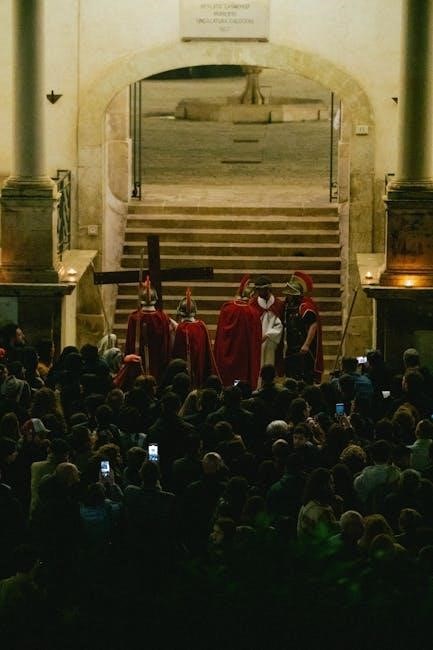
Tuesday: Confrontations and Teachings
PDF Passion Week timelines reveal Tuesday’s intense debates with religious leaders, alongside impactful parables like the Two Sons and the Tenants (Matthew 21).
The Parable of the Two Sons (Matthew 21:28-32)
Detailed Passion Week timeline PDFs highlight this pivotal parable, found in Matthew 21:28-32, where Jesus challenges the chief priests and elders regarding repentance. The narrative presents two sons tasked by their father to work in the vineyard; one initially refuses but later complies, while the other promises obedience but fails to deliver.
This parable, central to Tuesday’s confrontations, powerfully illustrates that outward profession of faith is meaningless without genuine action and a changed heart. PDF resources often emphasize how this story directly addresses the religious leaders’ hypocrisy, questioning their claims of righteousness despite rejecting John the Baptist and, ultimately, Jesus himself. It’s a crucial lesson within the week’s unfolding drama.
The Parable of the Tenants (Matthew 21:33-46, Mark 12:1-12, Luke 20:9-19)
Passion Week timeline PDFs frequently detail the Parable of the Tenants, recounted in Matthew, Mark, and Luke, as a direct prophecy concerning Jesus’ rejection and suffering. A landowner leases his vineyard to tenants, who then mistreat and ultimately kill the landowner’s servants and son, the heir.
This powerful allegory, presented on Tuesday, clearly depicts the Jewish leaders’ plot against Jesus. PDF study guides emphasize that the landowner represents God, the vineyard symbolizes Israel, and the son embodies Jesus. The tenants’ actions foreshadow the crucifixion, highlighting the leaders’ deliberate rejection of God’s messenger and their ultimate accountability.
Questions from the Sadducees and Pharisees
Many Passion Week timeline PDFs highlight Tuesday’s intense questioning of Jesus by both the Sadducees and the Pharisees, aiming to trap Him. The Sadducees, denying resurrection, presented a hypothetical marriage scenario to discredit belief in the afterlife (Matthew 22:23-33).
Conversely, the Pharisees, believing in resurrection, questioned Jesus about paying taxes to Caesar (Matthew 22:15-22). These challenges, detailed in chronological PDF resources, demonstrate attempts to discredit Jesus’ authority and teachings. Jesus skillfully deflected each question, exposing their flawed reasoning and upholding truth.

Wednesday: A Day of Quiet Preparation
Passion Week timeline PDFs note Wednesday’s scriptural silence, suggesting a period of quiet preparation for the pivotal events about to unfold for Jesus.
The Absence of Specific Events in Scripture
Notably, Passion Week timeline PDFs and scholarly resources highlight a conspicuous absence of detailed scriptural accounts for Wednesday. Unlike the bustling activity of preceding and following days, the Gospels offer no explicit record of Jesus’ actions.
This silence has prompted theological reflection, suggesting a deliberate pause for internal preparation before the intensity of the Last Supper and subsequent betrayal. Some resources propose Jesus may have spent the day in private prayer or quiet contemplation, preparing Himself emotionally and spiritually for the immense suffering ahead.
PDF guides often encourage personal reflection on this “quiet day,” inviting readers to consider the weight of what Jesus knew was imminent and the strength required to face it.
Possible Activities of Jesus on Wednesday
While Scripture remains silent on Wednesday’s events, Passion Week timeline PDFs often suggest plausible activities based on context. It’s theorized Jesus may have continued teaching, perhaps in smaller, less documented gatherings, or engaged in further preparation for the Passover meal.
Some speculate He revisited locations significant to His ministry, offering a final, private reflection. Resources emphasize this day as a period for Jesus to consolidate His thoughts and prepare His disciples, even without explicit biblical detail.
PDFs encourage contemplation of Jesus’ inner state, acknowledging the emotional and spiritual weight He carried during this period of quiet anticipation.
Preparation for the Passover Meal
Passion Week timeline PDFs highlight the meticulous preparations for the Passover meal, detailed in Luke 22:7-13. Jesus instructed Peter and John to secure a suitable upper room, a significant detail emphasizing the meal’s importance.
This involved finding a furnished room and preparing the lamb for sacrifice, tasks traditionally undertaken by the head of the household. Resources emphasize this wasn’t merely a logistical arrangement, but a symbolic act foreshadowing the ultimate sacrifice.
PDFs often include checklists detailing the elements of the Seder, deepening understanding of the meal’s ritual significance.
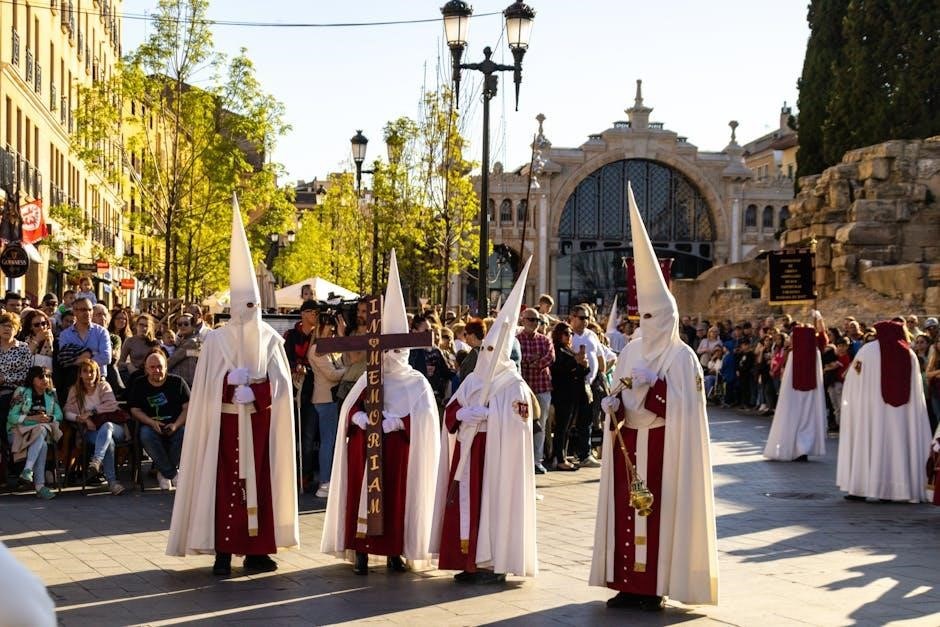
Thursday: The Last Supper and Betrayal
Passion Week timeline PDFs detail the Last Supper (Matthew 26:17-30), Jesus’ foot washing (John 13:1-17), and Judas’ impending betrayal (John 13:18-30).
Preparation for the Passover (Luke 22:7-13)
Detailed Passion Week timeline PDFs highlight Luke 22:7-13, illustrating Jesus’ disciples preparing the Passover meal, following His instructions. This involved securing a suitable upper room and arranging all necessary elements for the sacred feast. Resources often emphasize the significance of this preparation as a deliberate fulfillment of prophecy, setting the stage for the institution of the Eucharist.
These PDFs frequently connect this preparation to the broader context of Holy Week, emphasizing the deliberate and purposeful nature of Jesus’ actions. They underscore how every detail, from the room selection to the meal arrangements, contributed to the profound spiritual meaning of the Last Supper and the events that would follow, leading to His crucifixion and resurrection.
The Last Supper (Matthew 26:17-30, Mark 14:12-26, Luke 22:14-38, 1 Corinthians 11:23-26)
Passion Week timeline PDFs meticulously detail the Last Supper, referencing Matthew, Mark, Luke, and 1 Corinthians. These resources emphasize Jesus’ institution of the Eucharist, sharing bread and wine as symbols of His body and blood, offered for forgiveness of sins. They highlight the profound significance of this final meal with His disciples, a moment of intimate fellowship before His impending sacrifice.
PDFs often explore the theological implications of the Last Supper, connecting it to the Passover tradition and emphasizing its role as a new covenant. They underscore the importance of remembrance and participation in the Eucharist as a central practice of Christian faith, commemorating Christ’s ultimate act of love.
Jesus Washes the Disciples’ Feet (John 13:1-17)
Passion Week timeline PDFs dedicate space to Jesus’ humble act of foot washing, as recounted in John 13:1-17. These resources emphasize this event as a demonstration of servant leadership and sacrificial love, a radical departure from societal norms. They highlight Jesus’ instruction to His disciples to emulate this act of humility, washing one another’s feet as a sign of mutual service.
PDFs often explore the symbolic meaning of foot washing, connecting it to cleansing and purification. They underscore its importance as a model for Christian relationships, characterized by humility, compassion, and selfless devotion, reflecting Christ’s example.
The Announcement of Judas’ Betrayal (John 13:18-30)
Passion Week timeline PDFs meticulously detail the poignant announcement of Judas’ betrayal, found in John 13:18-30. These resources emphasize the emotional weight of this revelation, occurring during the Last Supper, and the disciples’ confusion and distress. They often explore the foreshadowing of betrayal throughout Jesus’ ministry, highlighting the tension and impending doom.
PDFs frequently analyze Judas’ motivations, examining themes of greed, pride, and spiritual darkness. They connect this act of betrayal to the broader narrative of sin and redemption, underscoring the gravity of choosing darkness over light.
Prayer in the Garden of Gethsemane (Matthew 26:36-46, Mark 14:32-42, Luke 22:39-46)
Passion Week timeline PDFs deeply explore Jesus’ agonizing prayer in Gethsemane, referencing Matthew 26:36-46, Mark 14:32-42, and Luke 22:39-46. These resources emphasize the profound emotional and spiritual struggle Jesus faced, willingly submitting to God’s will despite immense suffering. They often detail the disciples’ failure to remain awake and offer support, highlighting human frailty.
PDFs analyze the significance of Jesus’ request – “Father, if you are willing, take this cup from me” – and His ultimate acceptance of God’s plan, demonstrating perfect obedience and love.
Friday: The Crucifixion
Passion Week timeline PDFs detail Jesus’ trials before Annas and Pilate, culminating in His crucifixion as described in the Gospels.
Jesus’ Trials Before Annas and the Sanhedrin
Numerous Passion Week timeline PDFs meticulously document Jesus’ initial, unofficial trial before Annas, the former High Priest, and subsequently, the formal proceedings before the Sanhedrin. These resources highlight the illegality of the nighttime trial, violating Jewish law.

PDFs often emphasize the Sanhedrin’s desire to condemn Jesus, seeking false witnesses to support their accusations. The chronological order of these trials, as presented in these guides, is crucial for understanding the escalating events leading to Jesus’ crucifixion. They detail how the Sanhedrin ultimately delivered Jesus to Pilate, lacking the authority to execute Him themselves, as outlined in scripture and detailed within these downloadable timelines.
Pilate’s Judgment and the Scourging (Matthew 27:11-26, Mark 15:1-15, Luke 23:1-25, John 18:28-19:16)
Passion Week timeline PDFs extensively cover Pilate’s agonizing decision, highlighting his attempts to release Jesus, yielding to the pressure of the crowd demanding Barabbas’ freedom. These resources detail the brutal scourging inflicted upon Jesus, a horrific act documented in the Gospels.
PDFs often emphasize Pilate’s internal conflict and his wife’s warning, yet his political concerns ultimately override his conscience. The chronological presentation within these timelines underscores the escalating injustice. They illustrate how Pilate, despite acknowledging Jesus’ innocence, ultimately hands Him over to be crucified, fulfilling prophecy as detailed in scripture and visualized in these comprehensive guides.
The Crucifixion (Matthew 27:27-56, Mark 15:16-41, Luke 23:26-49, John 19:17-37)
Passion Week timeline PDFs vividly depict the harrowing details of Jesus’ crucifixion, referencing the Gospel accounts of His suffering and death on the cross. These resources meticulously outline the mocking, the nails, and the agonizing hours endured by Christ.
PDFs often highlight the significance of the temple curtain tearing, symbolizing access to God now available through Jesus’ sacrifice. They emphasize the centurion’s declaration of Jesus’ sonship, acknowledging His divine nature. These timelines present a chronological understanding of this pivotal event, offering a profound reflection on the weight of sin and the boundless love demonstrated through Christ’s ultimate sacrifice.
The Death of Jesus and the Temple Curtain
Passion Week timeline PDFs underscore the profound symbolism of the temple curtain’s tearing at Jesus’ death, as documented in the Gospels. This dramatic event, often detailed in chronological order within these resources, signifies the removal of the barrier between humanity and God.
PDFs explain how this act opened access to the Holy of Holies, previously restricted to the high priest, now available to all believers through Christ’s sacrifice. These timelines emphasize that Jesus’ death fulfilled Old Testament prophecies and inaugurated a new covenant, offering reconciliation and forgiveness. They provide a powerful visual and textual representation of this pivotal moment.
Saturday: The Day of Rest and Lament
Passion Week timeline PDFs highlight Saturday’s solemnity: Jesus lay in the tomb, observed by a Sabbath of rest and deep mourning.
Jesus Lies in the Tomb (Matthew 27:57-61, Mark 15:42-47, Luke 23:50-56, John 19:38-42)
Following the crucifixion, Joseph of Arimathea secured Jesus’ body and placed it within a new tomb, hewn from rock, as described across the Gospels. Passion Week timeline PDFs emphasize this pivotal moment of quietude. Nicodemus assisted in preparing the body with spices, mirroring Jewish burial customs.
The tomb was sealed with a large stone, and guards were stationed, reflecting Pilate’s consent to prevent any potential theft of the body. This period represents a profound stillness, a somber pause before the anticipated resurrection. Resources like downloadable charts detail this transition, marking the end of Jesus’ earthly suffering and the beginning of anticipation.
The Sabbath Observance
The Sabbath following Jesus’ crucifixion held immense significance, adhering to Jewish law requiring a day of rest. Passion Week timeline PDFs highlight this observance as a period of solemnity and reflection for the disciples. Despite the recent trauma, the Sabbath’s sanctity was maintained, a testament to their faith.
However, this Sabbath was shadowed by grief and uncertainty. The women who had followed Jesus rested, preparing spices and ointments for his body, anticipating a return visit to the tomb after the Sabbath’s conclusion. Liturgical guides within these PDFs often detail the Tenebrae services held during this time, marking the deepening darkness.
Tenebrae Services and Liturgical Practices
Tenebrae services, detailed in many Passion Week timeline PDFs, are ancient liturgical practices observed during the last three days of Holy Week – Maundy Thursday, Good Friday, and Holy Saturday. The name, meaning “darkness,” reflects the gradual extinguishing of lights symbolizing Jesus’ abandonment.
These services traditionally incorporate readings from scripture recounting the Passion, accompanied by the dimming of candles. Catholic World Report notes their importance alongside the Mass of the Lord’s Supper and the Liturgy of the Lord’s Passion. PDFs often provide order-of-service outlines, enhancing understanding of these solemn and evocative rituals.
Resources for Further Study
Numerous Passion Week timeline PDFs, Bible plans, and online chronological readings are available to deepen your understanding of this pivotal week.
Passion Week Bible Plans and Worksheets
Delve deeper into the events of Holy Week with readily available Bible plans and worksheets, often offered in convenient PDF format. These resources, like those found on various Christian websites, provide a structured approach to daily scripture readings, focusing on the final week of Jesus’ life.
Many plans align readings with the traditional Passion Week timeline, guiding you through the Triumphal Entry, the Last Supper, the Crucifixion, and the anticipation of Resurrection Sunday. Worksheets often include reflective questions, encouraging personal application and comprehension of Christ’s sacrifice.
These tools are designed for intentional, prayerful study, helping individuals and families connect with the profound significance of Passion Week and its enduring message of hope and redemption.
Online Timelines and Chronological Readings
Numerous websites offer interactive Passion Week timelines and chronological readings, often available as downloadable PDFs for offline access. These resources, such as BibleTimeLines.com, present the events of Holy Week in a clear, sequential manner, aiding understanding of the narrative flow.
They typically correlate scripture passages – Matthew, Mark, Luke, and John – to specific days, providing a comprehensive overview of Jesus’ final days.
These online tools are invaluable for those seeking a structured approach to studying the Passion narrative, allowing for focused reflection on each pivotal moment leading to the Resurrection. They enhance comprehension and deepen spiritual engagement with this sacred period;
Liturgical Guides for Holy Week
Liturgical guides, often complementing Passion Week timelines in PDF format, detail the traditional observances of Holy Week within various Christian denominations. Catholic World Report highlights key celebrations: the Mass of the Lord’s Supper on Holy Thursday, the Liturgy of the Lord’s Passion on Good Friday, and the Easter Vigil.
These guides frequently include details about Tenebrae services – Matins and Lauds observed during the last three days – enriching the devotional experience.
They provide a framework for personal or communal worship, connecting historical events with contemporary liturgical practices, fostering a deeper understanding of the week’s spiritual significance.