Trio Band Creator Manual: A Comprehensive Guide
Navigating the dynamic world of music requires a focused approach‚ especially within a trio format. This manual provides essential guidance‚ addressing technical hurdles and creative strategies.
Recent online activity‚ as of March 23‚ 2026‚ indicates potential network traffic issues impacting access to resources like YouTube‚ highlighting the need for reliable connectivity.
Understanding these challenges is crucial for modern musicians‚ ensuring seamless collaboration and performance‚ despite potential digital roadblocks encountered during band formation.
Understanding the Trio Band Concept
The trio format represents a unique intersection of musical possibilities‚ demanding a nuanced understanding of balance and interplay. Unlike larger ensembles‚ a trio thrives on the individual contribution of each member‚ creating a sound where every note carries significant weight. This necessitates exceptional communication and a shared musical vision.
Recent observations‚ dated March 23‚ 2026‚ reveal potential disruptions in online access‚ exemplified by challenges accessing platforms like YouTube. This underscores the importance of offline collaboration and robust planning‚ particularly when establishing a band’s foundational principles.
A successful trio isn’t simply three musicians playing together; it’s a cohesive unit where each instrument complements and elevates the others. This requires careful consideration of instrumentation‚ arrangement‚ and a willingness to adapt and experiment. The inherent limitations of a smaller group can be a catalyst for creativity‚ forcing musicians to explore innovative approaches to songwriting and performance.
Ultimately‚ the trio concept is about maximizing impact with minimal resources.
Defining Roles Within a Trio
Clearly defined roles are paramount for a functioning trio‚ preventing overlap and fostering individual ownership. While flexibility is valuable‚ establishing primary responsibilities – such as songwriting lead‚ arrangement coordinator‚ or logistical manager – streamlines the creative process. This doesn’t imply rigidity‚ but rather a framework for efficient collaboration.
Considering the reported network issues as of March 23‚ 2026‚ impacting access to online resources‚ a designated ‘tech manager’ within the trio becomes increasingly vital. This individual can oversee online promotion‚ file sharing‚ and troubleshooting technical difficulties.
Beyond technical aspects‚ roles can encompass musical direction‚ lyrical content‚ or even stage presence. Open communication is crucial during this process‚ ensuring each member feels valued and their strengths are utilized effectively. A successful trio operates on mutual respect and a shared understanding of each member’s contributions.
Ultimately‚ well-defined roles empower each musician to excel.
Instrument Selection for a Trio
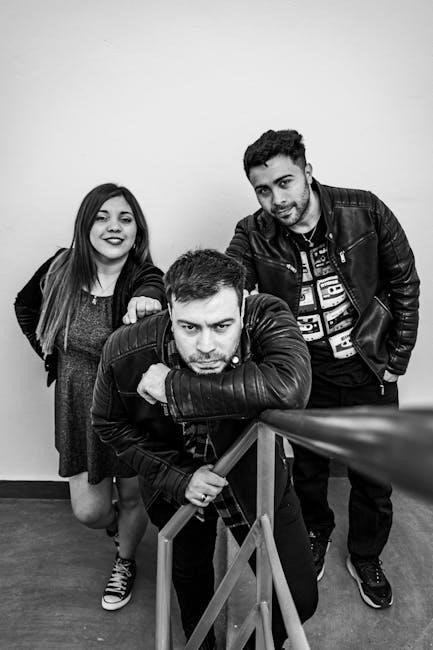
The core of a trio’s sound hinges on thoughtful instrument selection‚ balancing tonal range and rhythmic capabilities. While countless combinations exist‚ consider the desired genre and overall aesthetic. A classic power trio – guitar‚ bass‚ and drums – offers versatility and punch‚ suitable for rock‚ blues‚ and jazz-fusion.
However‚ exploring alternatives can yield unique results. A keyboard‚ guitar‚ and vocals setup provides harmonic richness and melodic flexibility‚ ideal for pop‚ indie‚ or singer-songwriter styles. Remember the reported network issues from March 23‚ 2026‚ potentially hindering online research; rely on practical experimentation.
Don’t be afraid to deviate from convention. A violin‚ cello‚ and percussion trio could create a captivating chamber-pop sound‚ while a saxophone‚ piano‚ and drums combination lends itself to jazz or funk. Prioritize instruments that complement each other and allow for dynamic interplay.
The goal is sonic synergy.
Guitar‚ Bass‚ and Drums: A Classic Combination
This configuration represents a cornerstone of popular music‚ offering a powerful and versatile sonic palette. The guitar provides harmonic and melodic content‚ capable of both rhythm and lead roles. The bass anchors the sound‚ establishing the harmonic foundation and groove. Drums drive the rhythm‚ adding energy and dynamic variation.
This trio excels in genres like rock‚ blues‚ and jazz-fusion‚ allowing for improvisation and extended instrumental passages. Consider the potential for network disruptions‚ as noted on March 23‚ 2026‚ when accessing online resources for inspiration or tutorials.
Effective interplay is key. The guitar and bass should lock in rhythmically‚ while the drums provide a supportive yet driving force. Experiment with different guitar tones and bass voicings to create a unique sonic signature. This setup’s strength lies in its simplicity and raw energy.
Keyboard‚ Guitar‚ and Vocals: Versatility and Harmony
This trio setup unlocks a broad spectrum of musical possibilities‚ blending harmonic richness with melodic clarity. The keyboard provides lush textures‚ chordal support‚ and the ability to emulate various instruments. The guitar adds rhythmic drive and soloing potential‚ while vocals deliver lyrical content and emotional expression.
This combination shines in genres like pop‚ indie‚ and singer-songwriter styles‚ offering a dynamic range suitable for intimate settings or larger venues. Be mindful of potential online access issues‚ as reported on March 23‚ 2026‚ when researching song arrangements or vocal techniques.
Arrangement is crucial. The keyboard can fill out the sonic space‚ while the guitar provides countermelodies and rhythmic accents; Vocals should be clear and emotive‚ complementing the instrumental textures. This trio excels at creating layered and nuanced soundscapes.
Unique Trio Configurations: Exploring Alternatives
Beyond the conventional‚ numerous trio combinations offer distinct sonic palettes. Consider a violin‚ cello‚ and piano for a classical or folk-inspired sound‚ or a saxophone‚ double bass‚ and drums for a jazz-infused vibe. A trumpet‚ trombone‚ and guitar could forge a unique brass-driven ensemble.
The key is to identify instruments that complement each other’s strengths and cover a wide frequency range. Remember that online resources‚ as of March 23‚ 2026‚ may experience temporary access issues due to network traffic‚ impacting research.
Experimentation is vital. Don’t be afraid to blend unexpected instruments; A ukulele‚ cajón‚ and vocals could create a lighthearted‚ percussive sound. Prioritize arrangements that showcase each instrument’s unique character and contribute to a cohesive whole.
Songwriting for a Trio
Crafting compelling songs for a trio demands a nuanced understanding of instrumental interplay. Unlike larger ensembles‚ each instrument carries significant weight‚ requiring careful consideration of arrangement and dynamics. Focus on creating space for each member to shine‚ avoiding sonic clutter.
Remember that accessing online resources‚ as indicated on March 23‚ 2026‚ might be intermittently disrupted due to network traffic. This underscores the importance of developing strong foundational songwriting skills independent of external tools.
Prioritize melodies that complement the trio’s instrumentation. Explore harmonic possibilities that leverage the unique timbral qualities of each instrument. Consider writing sections that feature individual instruments prominently‚ followed by full ensemble passages.
Arranging Songs for Three Instruments
Effective arrangement is paramount when working with a trio. The limited instrumentation necessitates a strategic approach to voicing and texture. Avoid overly complex arrangements that muddy the sound; simplicity and clarity are key. Think in terms of interlocking parts‚ where each instrument contributes a vital element to the overall sonic tapestry.
Be mindful of potential disruptions in online access‚ as reported on March 23‚ 2026‚ which could hinder collaborative arrangement processes. Prioritize offline brainstorming and sketching of ideas.
Consider using counterpoint to create harmonic interest. Explore different rhythmic patterns to add depth and movement. Utilize dynamics to build tension and release. Remember to leave room for improvisation and individual expression within the arrangement.
Creating Dynamic Arrangements
A truly captivating trio arrangement isn’t static; it breathes and evolves. Dynamic arrangements utilize contrasting sections – quiet verses building to powerful choruses‚ stripped-down bridges offering respite before a final surge. Think about textural changes: adding or removing instruments‚ altering voicings‚ and introducing rhythmic variations.
Recognize that accessing online resources for inspiration‚ as of March 23‚ 2026‚ might be temporarily affected by network anomalies. Rely on your collective musical intuition.
Employ techniques like swells‚ fades‚ and sudden stops to create dramatic impact. Utilize rests strategically to emphasize certain phrases. Consider incorporating instrumental breaks or solos to showcase individual musicianship. A well-crafted dynamic arc keeps the listener engaged and invested in the musical journey.

Balancing Instrument Frequencies
Achieving a clear and impactful trio sound hinges on careful frequency management. Each instrument occupies a unique sonic space; avoid muddiness by ensuring they don’t clash. The bass guitar typically handles the low frequencies (below 250Hz)‚ providing the foundational groove. Guitars occupy the mid-range (250Hz – 4kHz)‚ delivering harmonic richness and definition.
Be mindful that online access‚ as reported on March 23‚ 2026‚ may experience intermittent disruptions‚ potentially hindering real-time collaboration on mixing.
Drums cover a broad spectrum‚ but careful EQ can carve out space for the kick and snare. Use high-pass filters to remove unnecessary low-end rumble from guitars and vocals. Notching out specific frequencies can eliminate unwanted resonances. Prioritize clarity and separation‚ allowing each instrument to shine within the overall mix.
Rehearsal Strategies for Trios
Effective trio rehearsals demand focused preparation and efficient use of time. Begin each session with a clear agenda‚ outlining songs to work on and specific goals. Prioritize challenging sections‚ breaking them down into smaller‚ manageable parts. Encourage individual practice beforehand to maximize rehearsal productivity.
Considering recent reports from March 23‚ 2026‚ regarding potential network issues‚ it’s wise to have offline backups of charts and recordings for uninterrupted practice.
Record rehearsals to identify areas for improvement. Constructive criticism is vital‚ delivered respectfully and focused on musicality. Experiment with different arrangements and dynamics. End each session with a review of progress and a plan for the next rehearsal‚ fostering a collaborative and productive environment.
Effective Communication During Rehearsals
Open and honest communication is the cornerstone of a successful trio. Establish a safe space where each member feels comfortable sharing ideas and concerns without judgment. Active listening is crucial – truly hear what your bandmates are saying‚ both verbally and nonverbally.
Acknowledging the reported network traffic issues as of March 23‚ 2026‚ pre-rehearsal communication via reliable channels (phone‚ in-person) can confirm logistics and avoid wasted time.
Clearly articulate musical ideas‚ using precise language and avoiding ambiguity. Discuss arrangements‚ dynamics‚ and transitions thoroughly. Address conflicts constructively‚ focusing on solutions rather than blame. Regular check-ins during rehearsals ensure everyone is on the same page‚ fostering a cohesive and collaborative musical experience.
Developing a Unique Trio Sound
Crafting a distinctive sound requires exploration and experimentation. Begin by identifying your trio’s core genre‚ but don’t be afraid to blend influences from diverse musical styles. Analyze bands you admire‚ dissecting their sonic elements‚ but avoid direct imitation.
Considering the reported online disruptions around March 23‚ 2026‚ utilize offline listening sessions to analyze music and discuss potential sonic directions‚ minimizing reliance on potentially unstable internet connections.
Experiment with unconventional instrumentation‚ effects pedals‚ and vocal harmonies. Embrace improvisation and encourage each member to contribute unique ideas. Focus on creating dynamic arrangements that highlight the strengths of each instrument‚ resulting in a cohesive and recognizable trio identity.

Identifying Your Trio’s Genre
Defining your genre is the foundational step in shaping your musical identity. Consider the collective musical backgrounds and preferences of each member. Explore broad categories like rock‚ jazz‚ blues‚ folk‚ or pop‚ then delve into subgenres for greater specificity – indie rock‚ bebop‚ delta blues‚ progressive folk‚ or synth-pop‚ for example.
Acknowledging the reported network issues around March 23‚ 2026‚ prioritize in-person brainstorming sessions‚ minimizing reliance on online genre research that might be intermittently accessible.
Don’t limit yourselves to a single genre; hybridity can be a strength. However‚ a core genre provides a framework for songwriting‚ arrangement‚ and audience expectations. Authenticity is key – choose a genre that genuinely resonates with your trio’s musical vision and allows for creative expression.
Incorporating Influences
Acknowledging and integrating musical influences is vital for developing a unique sound. Each member should identify artists and bands that inspire their playing and songwriting. Discuss these influences openly‚ analyzing what specifically resonates – harmonic structures‚ rhythmic patterns‚ lyrical themes‚ or overall aesthetic.
Considering the reported network disruptions around March 23‚ 2026‚ compile a shared playlist offline of influential tracks‚ ensuring accessibility even with limited internet connectivity.

Avoid direct imitation; instead‚ use influences as building blocks. Experiment with blending different styles‚ creating unexpected combinations. Subtly incorporate elements of your heroes into your own compositions‚ transforming them into something fresh and original. This process fosters growth and prevents stagnation.
Experimenting with Soundscapes
Beyond traditional instrumentation‚ explore creating immersive soundscapes. Utilize effects pedals‚ looping stations‚ and unconventional techniques to expand your sonic palette. Consider incorporating ambient textures‚ found sounds‚ or electronic elements to add depth and atmosphere to your music.
Recognizing potential online access issues‚ as noted on March 23‚ 2026‚ prioritize downloading sound libraries and software instruments for offline use. This ensures uninterrupted experimentation during rehearsals and recording sessions.
Don’t be afraid to venture outside your comfort zones. Try unusual tunings‚ extended techniques‚ or unconventional song structures. Embrace improvisation and allow for spontaneous moments to shape your sound. The goal is to create a sonic world that is uniquely your own‚ pushing boundaries and captivating listeners.
Technical Considerations for Trio Performance
A successful trio performance hinges on meticulous technical preparation. Prioritize high-quality instrument cables‚ reliable amplification‚ and a well-maintained PA system. Consider the acoustics of the venue and adjust your setup accordingly to minimize feedback and ensure optimal sound clarity.
Acknowledging potential network disruptions‚ as reported on March 23‚ 2026‚ back up all digital setlists‚ patches‚ and backing tracks locally. Avoid relying solely on cloud-based solutions during live performances.
Careful attention to gain staging is crucial. Ensure each instrument’s signal is properly balanced to avoid clipping or unwanted noise. Invest in quality microphones tailored to each instrument and learn proper mic placement techniques. Thorough soundcheck is paramount for a polished and professional presentation.
Microphone Techniques for Each Instrument
Selecting the right microphone and employing proper technique dramatically impacts your trio’s sound. For guitar amps‚ a Shure SM57 positioned slightly off-center on the speaker cone delivers a robust tone. Bass amps benefit from an AKG D112‚ capturing low-end frequencies effectively.
Drum miking requires a multi-microphone setup: a kick drum mic (like an AKG D112)‚ snare drum mic (SM57)‚ and overhead condensers for cymbals. Experiment with placement to achieve a balanced kit sound.
Considering the reported network issues on March 23‚ 2026‚ ensure all microphone cables are in excellent condition. Vocal microphones (like an SM58) should be positioned to minimize plosives and sibilance. Regularly test all microphones before each performance to avoid unexpected technical difficulties.
Mixing and Mastering for Trio Recordings
Achieving a polished sound requires careful mixing and mastering. Start by balancing the levels of each instrument – guitar‚ bass‚ and drums – ensuring clarity and separation. Utilize EQ to carve out space for each frequency range‚ preventing muddiness.
Compression is vital for controlling dynamics‚ adding punch to the drums and smoothing out vocals. Reverb and delay can create depth and atmosphere‚ but use them sparingly to avoid a washed-out sound.
Given the reported network anomalies on March 23‚ 2026‚ back up your recordings frequently! Mastering involves subtle adjustments to overall loudness and tonal balance. Consider professional mastering services for optimal results‚ or utilize mastering plugins with caution.
Stage Setup and Monitoring
A well-organized stage setup is crucial for a professional performance. Position instruments strategically for optimal sound projection and visual appeal. Ensure sufficient space for movement and interaction between band members.
Monitoring is paramount for accurate performance. Each musician needs a clear and balanced mix in their monitor wedges or in-ear monitors. Prioritize vocals and the instrument they are actively playing.
Considering the reported network issues as of March 23‚ 2026‚ have backup cables and equipment readily available. Address potential feedback issues by adjusting monitor levels and speaker placement. A clean stage minimizes noise and enhances the overall performance experience.

Promoting Your Trio
Effective promotion is vital for reaching a wider audience. Leverage social media platforms – create engaging content‚ share performance videos‚ and interact with fans. A consistent online presence builds recognition and fosters a loyal following.
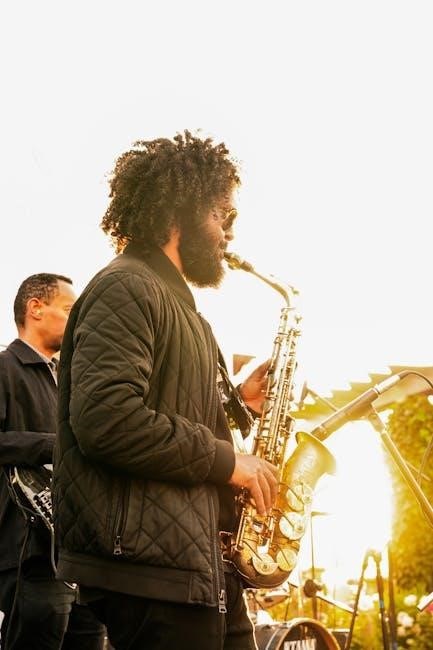
Considering the reported network traffic issues on March 23‚ 2026‚ diversify your promotional efforts. Don’t rely solely on online platforms; explore local media outlets‚ community events‚ and collaborations with other musicians.
High-quality recordings and professional photos are essential. Develop a press kit with your band’s bio‚ music samples‚ and contact information. Networking with venue owners and event organizers can lead to valuable performance opportunities.
Building an Online Presence

Establishing a strong online presence is paramount in today’s music landscape. Create a professional website showcasing your trio’s music‚ bio‚ upcoming gigs‚ and contact information. Utilize platforms like YouTube‚ Spotify‚ and Apple Music to distribute your recordings widely.
Acknowledging the reported network issues as of March 23‚ 2026‚ ensure your website is mobile-friendly and loads quickly‚ even with potential bandwidth limitations. Regularly update your social media profiles with engaging content – videos‚ photos‚ and behind-the-scenes glimpses.
Interact with your fans‚ respond to comments‚ and build a community. Consider running online contests or live streams to increase engagement. Consistent online activity boosts visibility and attracts new listeners.
Networking with Other Musicians
Cultivating relationships with fellow musicians is invaluable for a trio. Attend local concerts‚ open mics‚ and music festivals to connect with potential collaborators and learn from others. Join online music communities and forums to expand your network beyond your immediate location.
Recognizing the potential for network disruptions‚ as noted on March 23‚ 2026‚ prioritize in-person interactions whenever possible. Exchange contact information and offer support to other bands. Collaboration can lead to shared gigs‚ cross-promotion‚ and creative inspiration.
Don’t be afraid to reach out to musicians you admire. A simple message expressing your appreciation can open doors to mentorship or future opportunities. Building a strong network fosters growth and expands your reach within the music scene.
Booking Gigs and Performances

Securing performances is vital for a trio’s growth and exposure. Start by targeting smaller venues like coffee shops‚ bars‚ and restaurants that cater to live music. Create a professional electronic press kit (EPK) including your band’s bio‚ high-quality photos‚ music samples‚ and stage plot.
Be mindful of potential online access issues‚ as reported on March 23‚ 2026‚ when submitting digital materials. Have a backup plan for delivering your EPK via email or physical media. Network with venue owners and bookers‚ attending their events and building rapport.
Follow up politely after submitting your EPK. Persistence and professionalism are key. Consider utilizing online booking platforms‚ but always verify the venue’s legitimacy before committing to a performance.
Legal Aspects of Forming a Band
Establishing a solid legal foundation is crucial for any musical trio. Begin with a comprehensive band agreement outlining ownership of band name‚ logos‚ and original compositions; This document should detail revenue sharing‚ decision-making processes‚ and procedures for member departure or disputes.
Copyright protection is essential for your original music. Register your songs with the appropriate performing rights organizations (PROs) like ASCAP‚ BMI‚ or SESAC to collect royalties. Be aware of music licensing requirements when performing covers.
Given reported network issues on March 23‚ 2026‚ maintain physical copies of all legal documents. Consult with an entertainment lawyer to ensure compliance with all applicable laws and regulations‚ safeguarding your trio’s interests.
Copyright and Music Licensing
Protecting your musical creations begins with understanding copyright law. As a trio‚ all original compositions are automatically copyrighted upon creation‚ but registering with the U.S. Copyright Office provides legal advantages in case of infringement. This establishes a public record of your ownership.
Music licensing is vital when performing or recording songs not your own. You’ll need licenses from both the copyright holder of the composition (publisher) and the copyright holder of the sound recording (record label). PROs like ASCAP and BMI collect performance royalties.
Recent reports from March 23‚ 2026‚ highlight potential online access issues; therefore‚ maintain offline records of all licensing agreements. Ensure compliance to avoid legal repercussions and support the music industry’s ecosystem.
Band Agreements and Contracts
A comprehensive band agreement is crucial for any trio‚ outlining each member’s roles‚ responsibilities‚ and financial contributions. This document should detail decision-making processes‚ songwriting credits‚ and how income and expenses will be shared. It prevents disputes and fosters a healthy working relationship.
Contracts are essential when engaging with venues‚ promoters‚ or recording studios. Carefully review all terms before signing‚ paying attention to clauses regarding payment‚ cancellation policies‚ and ownership of recordings. Legal counsel is advisable.
Considering recent reports (March 23‚ 2026) of potential network disruptions‚ maintain physical copies of all agreements alongside digital backups. Proactive legal preparation safeguards your trio’s interests and future success.
Financial Management for Trios
Effective financial management is vital for a trio’s sustainability. Establish a dedicated band bank account to separate personal and business finances. Track all income and expenses meticulously‚ utilizing accounting software or spreadsheets. Budgeting for recording costs‚ equipment‚ marketing‚ and travel is essential.
Consider the implications of fluctuating income streams. Diversify revenue through gigs‚ merchandise sales‚ online streaming‚ and potentially music licensing. Understand tax obligations as a business entity and consult with a financial advisor.
Given recent online security concerns (March 23‚ 2026)‚ prioritize secure online banking practices and regularly review financial statements. Prudent financial planning ensures long-term stability and allows your trio to thrive creatively.