

Guard Thermometer Manual PDF: A Comprehensive Guide
This guide details infrared thermometer operation‚ safety‚ features‚ and troubleshooting. It covers package verification‚ indicator meanings‚ and battery replacement. Explore measurement techniques‚ error codes‚ and warranty details‚ referencing manuals from M. Feingersh & Co. Ltd and Generation Guard Pty Ltd.
Understanding Infrared Thermometers
Infrared thermometers‚ like the models detailed in available manuals (M. Feingersh & Co. Ltd‚ Generation Guard Pty Ltd)‚ are non-contact devices detecting thermal radiation. Unlike traditional thermometers requiring physical contact‚ these measure temperature from a distance‚ crucial for hygiene and safety. They quantify the infrared energy emitted by an object‚ converting it into a temperature reading displayed on the device.
These devices are invaluable in scenarios where contact measurement is impractical or risky‚ such as assessing body temperature (forehead or ear – see specific manual instructions) or monitoring machinery. Understanding the principles of infrared radiation and emissivity – the efficiency with which a surface emits infrared energy – is key to accurate readings. Manuals emphasize proper technique and environmental factors impacting results.
Guard thermometers‚ specifically‚ often incorporate features for enhanced accuracy and reliability. The provided documentation highlights the importance of understanding the device’s limitations and adhering to safety guidelines for optimal performance and dependable temperature assessment.
Safety Precautions for Use
Prior to use‚ carefully review the safety information detailed in your Guard thermometer’s manual (referencing documents from M. Feingersh & Co. Ltd and Generation Guard Pty Ltd); These devices are intended for non-invasive temperature screening and should not be used as a substitute for professional medical diagnosis. Avoid pointing the thermometer at eyes or directly into ears.
Ensure the device is clean and maintained according to the manual’s instructions. Do not use the thermometer in environments with extreme temperatures or humidity. Keep it away from flammable materials and liquids. The accuracy of readings can be affected by external factors; therefore‚ follow recommended measurement distances and techniques;
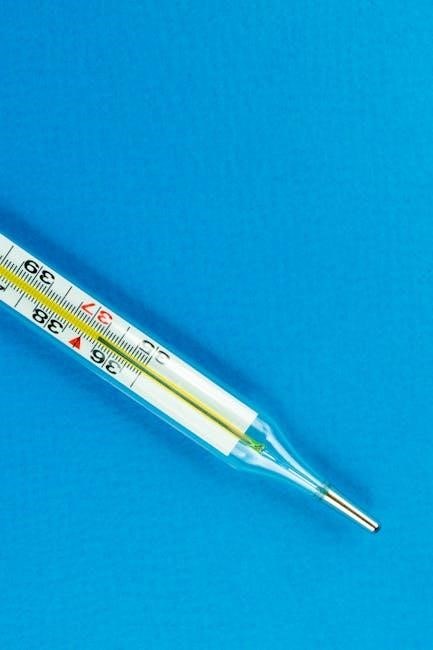
Always supervise use around children. Do not attempt to disassemble or modify the thermometer. If the device malfunctions‚ discontinue use and consult the troubleshooting section of the manual or contact customer support. Proper handling and adherence to safety guidelines are crucial for accurate and safe operation.
Key Features of Guard Thermometers
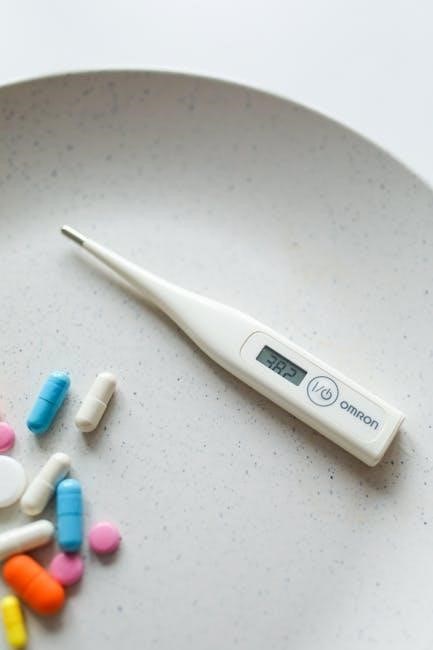
Guard thermometers‚ as detailed in manuals from manufacturers like M. Feingersh & Co. Ltd and Generation Guard Pty Ltd‚ boast several key features. These typically include non-contact infrared measurement‚ providing a hygienic and convenient method for temperature screening. Many models offer both forehead and ear measurement modes‚ enhancing versatility.
A prominent feature is the rapid response time‚ delivering readings within seconds. Digital displays clearly present temperature values‚ often with selectable units (°C or °F). Backlit screens improve visibility in low-light conditions. Most devices incorporate audible fever indicators‚ alerting users to potentially elevated temperatures.
Advanced models may include memory storage for previous readings‚ facilitating trend tracking. Automatic shut-off functionality conserves battery life. Some incorporate features related to Virtualization Based Security (VBS) and Steam Guard‚ though these are less common in basic thermometer functionality.
Intended Use and Applications
Guard thermometers‚ as outlined in user manuals‚ are primarily intended for non-invasive body temperature measurement. They find widespread application in screening for elevated body temperature in various settings‚ including homes‚ schools‚ workplaces‚ and public areas. These devices are particularly useful for initial triage‚ helping to identify individuals who may require further medical evaluation.
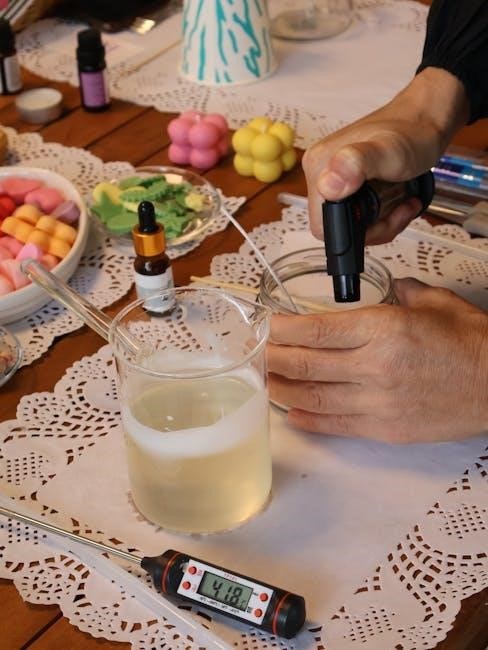
Beyond human temperature screening‚ these thermometers can be utilized for surface temperature measurements. This includes assessing the temperature of objects‚ liquids‚ or environments. Applications extend to monitoring equipment‚ verifying food temperatures‚ and ensuring optimal conditions in industrial processes.

However‚ it’s crucial to remember these are screening tools‚ not diagnostic devices. Accurate readings depend on proper technique and environmental factors. Refer to the manual for specific guidance on intended use and limitations‚ especially concerning VBS or Steam Guard related functionalities which are not core to thermometer operation.
Package Contents Verification
Upon receiving your Guard thermometer‚ carefully verify the package contents against the included list. A standard package‚ as detailed in manuals from manufacturers like M. Feingersh & Co. Ltd and Generation Guard Pty Ltd‚ should contain the infrared thermometer unit itself. Additionally‚ expect to find a user manual – crucial for understanding operation and safety precautions.
Most packages also include batteries‚ typically AAA or AA‚ required to power the device. Confirm the correct battery type and quantity are present. Some models may include a carrying case for storage and protection during transport. Check for any included accessories‚ such as lens covers or probe covers‚ depending on the specific model;
If any items are missing or appear damaged‚ immediately contact the seller or manufacturer’s support team. Do not attempt to operate the thermometer with missing components. Retain all packaging materials for potential returns or warranty claims. This verification step ensures you have a fully functional and complete product‚ ready for accurate temperature measurements.
Indicator Descriptions and Meanings
Understanding the indicator symbols on your Guard thermometer is vital for accurate interpretation of readings. Manuals from companies like M. Feingersh & Co. Ltd detail specific icons and their corresponding meanings. A common indicator is a low battery symbol‚ alerting you to replace the batteries to maintain accurate measurements.
Error messages are often displayed as specific codes or symbols‚ indicating potential issues with the device or measurement process. Refer to the troubleshooting section of the manual to decipher these codes. A “Hi” or “Lo” indicator signifies readings outside the thermometer’s measurement range‚ requiring investigation.
Some models feature a scan indicator‚ showing when the device is actively measuring temperature. A memory indicator signifies stored readings‚ allowing for review of previous measurements. Pay close attention to any flashing indicators‚ as these often signal a specific condition or require user intervention. Familiarizing yourself with these indicators ensures proper device operation and reliable results.
Operating Instructions: Step-by-Step Guide
To begin‚ ensure fresh batteries are correctly installed‚ referencing the battery installation section of your Guard thermometer’s manual (like those from M. Feingersh & Co. Ltd). Power on the device using the designated button. Allow the thermometer to initialize – this may take a few seconds‚ indicated by a self-test sequence.
Aim the thermometer at the desired measurement location‚ maintaining the recommended distance specified in the manual. Press the measurement button to initiate the reading. Hold the button until the indicator signals completion. The temperature will then be displayed on the screen.
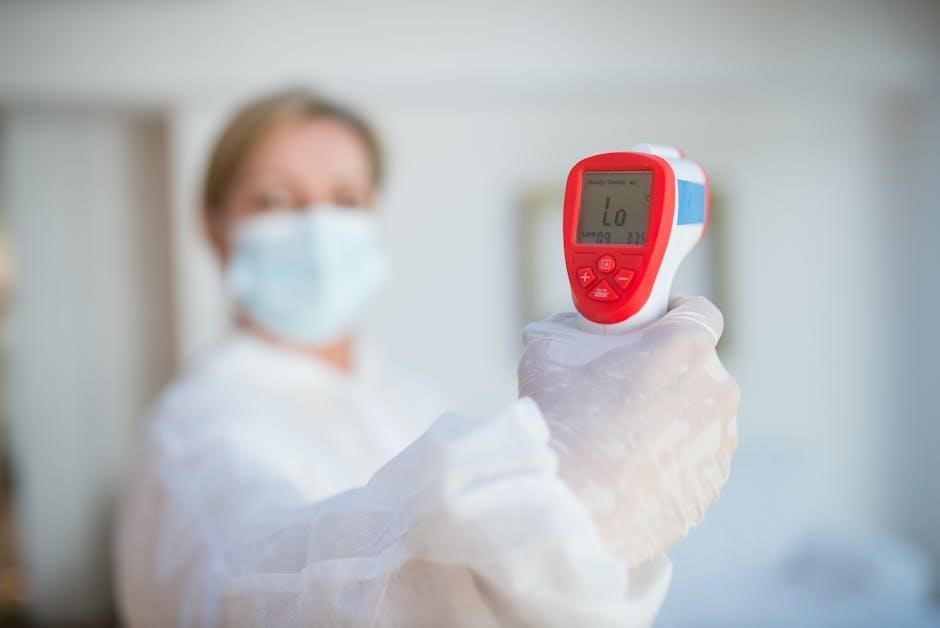
For forehead measurements‚ follow the specific instructions detailed in the manual‚ ensuring proper positioning. For ear measurements‚ use a hygienic probe cover. Review the display for any error codes or warnings. After use‚ power off the device to conserve battery life. Always consult the full manual for detailed guidance and safety precautions.
Measurement Techniques: Forehead vs. Ear
Forehead measurements‚ as detailed in manuals like the GM-400EF‚ require aiming the thermometer at the center of the forehead‚ maintaining a recommended distance (typically 1-3cm). Ensure no hair‚ sweat‚ or cosmetics interfere with the reading. This non-invasive method is suitable for broad screening.
Ear measurements‚ conversely‚ necessitate using a disposable probe cover for hygiene. Gently insert the probe into the ear canal‚ ensuring a secure seal. Pull the ear slightly upward and backward (adults) or downward and backward (children) to straighten the ear canal. This technique‚ found in user guides‚ provides a core body temperature reading.
Accuracy varies between methods. Ear measurements are generally faster but require proper technique. Forehead readings are convenient but may be influenced by external factors. Always consult your thermometer’s manual for specific instructions and limitations regarding each technique.
Display Readings and Units of Measurement
Guard thermometers typically display temperature readings in both Celsius (°C) and Fahrenheit (°F). User manuals‚ such as those from Dr.Morepen MT 111 DigiClassic‚ detail how to switch between units using a dedicated button or settings menu. The display often features a backlight for visibility in low-light conditions.
Readings are presented numerically‚ often with decimal precision. Many models incorporate visual indicators – like color-coded displays or icons – to signify temperature ranges (e.g.‚ normal‚ fever). These indicators provide a quick assessment of the measured temperature.
Understanding the display is crucial for accurate interpretation. Pay attention to any error codes or symbols displayed‚ as these indicate potential issues. Refer to the manual’s troubleshooting section for explanations of these indicators. Ensure the display is clear and unobstructed for optimal readability.

Troubleshooting Common Issues
If your guard thermometer displays inaccurate readings‚ first verify proper battery installation and ensure the lens is clean. Refer to the user manual – like those for GM-400EF – for cleaning instructions. Common issues include low battery power‚ affecting accuracy‚ and improper technique during measurement.
Error codes‚ detailed in the manual‚ indicate specific problems. For example‚ a “Lo” or “Hi” reading suggests the temperature is outside the measurement range. If the device fails to power on‚ check the battery compartment for corrosion or damage.
Virtualization-Based Security (Device Guard) conflicts can sometimes cause issues with connected devices; disabling it may resolve connectivity problems. If problems persist‚ consult the warranty information for support contact details. Always prioritize safety and avoid self-repair beyond basic troubleshooting steps.
Battery Installation and Replacement
To install batteries‚ locate the battery compartment‚ typically on the thermometer’s handle or back‚ as detailed in manuals from manufacturers like M. Feingersh & Co. Ltd. Ensure correct polarity (+ and -) when inserting the batteries‚ usually AAA or AA size. Refer to the specific model’s user guide (e.g.‚ for the MT 111 DigiClassic) for exact battery type requirements.
When replacing batteries‚ always use new batteries of the same type. Do not mix old and new batteries‚ or different battery types. A low battery indicator on the display signals the need for replacement. Dispose of used batteries responsibly‚ following local regulations.
Proper battery function is crucial for accurate temperature readings. Weak batteries can lead to inaccurate measurements or device malfunction. Regularly check battery levels to maintain optimal performance and reliability.
Cleaning and Maintenance Procedures
Regular cleaning is essential for maintaining the accuracy and hygiene of your guard thermometer‚ as outlined in manuals from companies like Generation Guard Pty Ltd. After each use‚ gently wipe the thermometer’s probe with a soft cloth lightly dampened with isopropyl alcohol (70% is recommended). Avoid harsh chemicals or abrasive cleaners‚ as these can damage the sensor.
For the thermometer body‚ use a similar dampened cloth. Ensure no liquid enters the battery compartment or internal components. Do not immerse the thermometer in water or any other liquid. Store the thermometer in a clean‚ dry place‚ away from direct sunlight and extreme temperatures.
Periodic inspection of the device for physical damage is also recommended. If damage is detected‚ discontinue use and consult the warranty information or contact support.
Technical Specifications and Accuracy
Guard thermometers‚ as detailed in manuals from M. Feingersh & Co. Ltd and Generation Guard Pty Ltd‚ typically measure temperature ranges from 32°C to 42.2°C (89.6°F to 108°F). Accuracy is generally ±0.2°C (±0.4°F) within the normal body temperature range‚ though this can vary based on environmental factors and proper usage.
Key specifications include a measurement distance of 1-5cm for forehead measurements and a response time of approximately 0.5 seconds. The devices often utilize infrared technology with a spectral range of 3-14μm. Power requirements are typically two AAA batteries‚ offering several thousand readings per set.
Accuracy can be affected by factors like ambient temperature‚ humidity‚ and skin surface conditions. Always refer to the specific model’s manual for detailed specifications and limitations.
Error Codes and Their Interpretations
Guard thermometer manuals‚ like those from M. Feingersh & Co. Ltd and Generation Guard Pty Ltd‚ often display error codes to indicate malfunctions. A common error‚ “Lo‚” signifies low battery power‚ requiring immediate replacement for accurate readings. “Hi” indicates a temperature exceeding the measurement range‚ suggesting a potential device issue or an unusually high temperature.
Other potential codes may include “Err‚” a general error indicating a sensor malfunction or internal problem. Some models might display codes related to improper operation‚ such as measuring on a moving subject. Referencing the specific model’s manual is crucial for accurate interpretation.
If an error persists after troubleshooting (battery replacement‚ proper usage)‚ contact the manufacturer’s support for assistance. Ignoring error codes can lead to inaccurate temperature readings and potentially incorrect medical assessments.
Virtualization Based Security & Device Guard Considerations

While seemingly unrelated to a guard thermometer’s functionality‚ Virtualization Based Security (VBS) and Device Guard can impact computer systems used to access thermometer data or software. Specifically‚ enabling VBS might cause compatibility issues with certain virtualization software‚ as noted in online discussions regarding disabling Device Guard for virtual machine operation.
This is relevant if the thermometer’s software requires virtualization or if data is analyzed on a virtual machine. Disabling VBS/Device Guard‚ through Group Policy (Computer Configuration > Administrative Templates > System > Device Guard)‚ may be necessary for smooth operation. However‚ this reduces system security.
Users should carefully weigh the security implications before disabling these features. The core function of the thermometer isn’t affected‚ but data handling on the connected computer might be. Consult IT professionals for guidance on balancing security and compatibility.
Steam Guard Functionality & Account Protection
The connection between a guard thermometer and Steam Guard appears indirect‚ yet highlights broader digital security considerations. Steam Guard‚ a two-factor authentication system for Steam accounts‚ exemplifies robust account protection – a principle applicable to any device generating or transmitting health data.
Although a thermometer doesn’t directly interact with Steam‚ the underlying concept of securing access is crucial. If the software used to analyze thermometer readings requires a Steam account for licensing or updates‚ enabling Steam Guard is vital. This prevents unauthorized access to both the software and‚ potentially‚ the collected health information.
Consider the broader digital ecosystem. Protecting your Steam account‚ and any associated software‚ contributes to a more secure environment for handling sensitive data. Employing strong passwords and two-factor authentication‚ like Steam Guard‚ is a best practice for all online accounts.
Shielding and Cable Protection (Related to Components)
Regarding guard thermometers‚ shielding primarily concerns internal electronic components and cable integrity. The device’s accuracy relies on sensitive sensors and circuitry susceptible to electromagnetic interference (EMI). Effective shielding‚ potentially utilizing materials like those found in the referenced “55A”‚ minimizes signal disruption.
Cable protection is equally vital‚ particularly for any external probes or connectors. Robust cable construction prevents damage from bending‚ twisting‚ or accidental pulling‚ ensuring consistent data transmission. The “shield” terminology extends to cable shielding‚ protecting signals from external noise.
While a guard thermometer’s manual PDF may not explicitly detail shielding materials‚ understanding the principle is crucial for maintenance. Inspect cables regularly for wear and tear‚ and avoid exposing internal components to moisture or physical stress. Proper care extends the device’s lifespan and maintains measurement accuracy.
Warranty Information and Support Contact
Guard thermometer warranties typically cover manufacturing defects for a defined period‚ often one to two years from the purchase date. Review your specific product’s manual PDF – like those from M. Feingersh & Co. Ltd or Generation Guard Pty Ltd – for precise terms and conditions. Coverage may exclude damage from misuse‚ accidents‚ or unauthorized repairs.
To initiate a warranty claim‚ retain your proof of purchase and contact the vendor or manufacturer directly. Generation Guard Pty Ltd‚ as a distributor‚ provides a point of contact for Australian customers. For other regions‚ consult the manual for relevant contact details.
Technical support is often available via phone‚ email‚ or online resources. Refer to the manual for troubleshooting guides and FAQs before seeking assistance. Prompt communication with support can resolve issues efficiently and ensure your thermometer functions optimally throughout its warranty period.