heggies pizza instructions

Heggies Pizza is a beloved Minnesota-based frozen pizza brand‚ known for its rich sauce and variety of toppings. Proper cooking ensures a perfectly cooked crust and melted cheese‚ making it a Midwest favorite for quick‚ delicious meals. Follow these instructions for the best results.

Overview of Heggies Pizza

Heggies Pizza is a Minnesota-based frozen pizza brand renowned for its rich‚ flavorful sauce and high-quality toppings. Known for its thick‚ perfectly seasoned sauce‚ Heggies offers a variety of options‚ including classic pepperoni‚ sausage‚ and cheese combinations. The brand has gained a loyal following for its hearty‚ satisfying flavor profile. With a history dating back to its debut at Lake Mille Lacs lodges‚ Heggies has become a staple in Midwest freezers. Its popularity stems from its ability to deliver a homemade pizza experience with minimal effort. Whether enjoyed at family gatherings or casual meals‚ Heggies Pizza is a reliable choice for delicious‚ convenient dining.
Importance of Following Cooking Instructions

Following the cooking instructions for Heggies Pizza is crucial to achieve the perfect balance of a crispy crust and melted‚ golden-brown cheese. Proper preheating and baking times ensure the pizza cooks evenly‚ preventing undercooked or burnt sections. Deviating from recommended temperatures or durations can lead to suboptimal results‚ such as a soggy crust or unmelted toppings. Additionally‚ adhering to guidelines helps maintain food safety‚ as the pizza must reach a safe internal temperature to be fully cooked. By following the steps‚ you can enjoy a delicious‚ restaurant-quality meal at home with minimal effort. Consistency in cooking yields the best flavor and texture‚ making every bite a satisfying experience.

Cooking Heggies Pizza in a Conventional Oven

Preheat your oven to 425°F. Remove the pizza from its wrapper and place it directly on the oven rack. Bake for 13-15 minutes‚ or until the cheese is golden brown and bubbly. This method ensures a crispy crust and perfectly melted toppings‚ delivering a delicious homemade pizza experience.

Preheating the Oven

Preheating your oven is a crucial step when cooking Heggies Pizza. Set your oven to 425°F (220°C) and allow it to preheat for at least 10-15 minutes to ensure even heat distribution. A properly preheated oven guarantees a crispy crust and evenly melted cheese. For the best results‚ avoid opening the oven door during preheating‚ as this can disrupt the temperature. Once the oven is preheated‚ it’s ready for the pizza to be placed inside. This step ensures your Heggies Pizza cooks perfectly every time‚ delivering that signature flavor and texture fans love.

Remember‚ proper preheating is key to achieving a golden-brown crust and a delicious‚ cheesy topping. Always allow the oven to reach the desired temperature before placing the pizza inside.

Removing the Pizza from the Wrapper

Removing the pizza from the wrapper is a straightforward but important step. Carefully take the pizza out of its packaging‚ ensuring not to damage the crust or toppings. STEP 2 in the instructions involves gently pulling the pizza away from the wrapper while supporting the bottom to prevent bending or breaking. Once removed‚ place the pizza on a baking sheet or oven-safe plate to prepare for cooking. This step ensures the pizza is ready for preheating and baking without any obstructions. Always handle the pizza gently to avoid damaging the crust‚ especially when frozen. Proper removal prevents the pizza from sticking to the wrapper and ensures even cooking. Your pizza is now ready to be placed in the oven for baking.

Placing the Pizza in the Oven

Placing the pizza in the oven is a crucial step for even cooking. Once preheated‚ carefully lift the pizza using oven mitts and place it directly on the middle rack. Ensure the pizza is centered and not overlapping with the oven walls. Avoid placing it on a baking sheet unless necessary‚ as this can affect air circulation. Gently close the oven door to prevent shifting the toppings. If using a pizza stone‚ place the pizza on the stone for a crisper crust. Always handle the pizza with care to avoid burns. Proper placement ensures the pizza cooks evenly and prevents hot spots. Follow these steps to achieve a perfectly baked Heggies Pizza every time.

Baking Until Cheese is Golden Brown

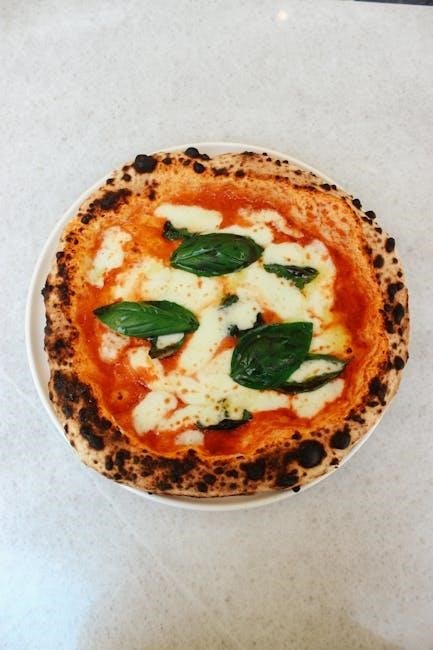
Baking until the cheese is golden brown is essential for achieving the perfect Heggies Pizza. Once the pizza is placed in the oven‚ bake for 13-15 minutes in a conventional oven or 10 minutes in a pizza oven. Keep an eye on the pizza during the last few minutes to ensure the cheese doesn’t overcook. The cheese should be bubbly and golden‚ while the crust should also turn lightly golden. Avoid opening the oven door too frequently‚ as this can disrupt the cooking process. When the pizza reaches your desired level of doneness‚ carefully remove it using oven mitts and let it cool for a few minutes before slicing. This step ensures a crispy crust and a flavorful‚ well-cooked pizza.

Specific Cooking Times for Different Ovens

Cooking times vary based on oven type. Conventional ovens typically require 13-15 minutes‚ while pizza ovens may take 10 minutes. Adjust as needed for your oven’s performance.

Conventional Oven Cooking Time

For a conventional oven‚ preheat to 425°F (220°C). Place the pizza on the middle rack and bake for 13-15 minutes. The cheese should be golden brown‚ and the crust crispy. Ensure the oven is fully preheated before placing the pizza inside for even cooking. Keep an eye during the last few minutes to avoid overcooking. Let it cool for a minute before serving. Adjust time slightly if needed based on your oven’s specific performance. This method ensures a perfectly cooked Heggies Pizza every time.

Pizza Oven Cooking Time

When using a pizza oven‚ preheat it to 425°F (220°C). Place the pizza directly on the stone or rack and cook for 10 minutes. The cheese should be golden brown‚ and the crust crispy. Ensure the oven is fully preheated for optimal results. Keep an eye on the pizza during the last few minutes to prevent overcooking. For larger pizzas‚ you may need to adjust the time slightly. Let it cool for a minute before slicing. This method delivers a crispy crust and perfectly melted cheese‚ making it a favorite for pizza lovers. Always follow the package instructions for specific guidance tailored to your pizza oven.

Microwave Cooking Instructions

Heggies Pizza can be microwaved on high for 2-3 minutes. Always follow package instructions for best results and even cooking. Adjust time based on pizza size.

Microwave Cooking Guidelines

Microwave cooking is a quick way to enjoy Heggies Pizza. Place the pizza on a microwave-safe plate and cook on high for 2-3 minutes. Check the pizza periodically to ensure even cooking; The cheese should be melted and bubbly. For smaller pizzas‚ reduce cooking time by 30 seconds. Note that microwave power levels can vary‚ so adjust cooking time accordingly. Always follow the package instructions for specific guidelines. Let the pizza stand for a minute before serving. While microwaving is convenient‚ it may not achieve the same crispiness as oven-baking. For best results‚ use this method for personal-sized pizzas or when time is limited. Ensure food safety by cooking to an internal temperature of 160°F.

Heggies Pizza offers a delicious‚ convenient meal when cooked correctly. Follow the guidelines for oven or microwave preparation to achieve a perfectly cooked crust and golden cheese.

Final Tips for Perfect Heggies Pizza

For the best results‚ ensure your oven is preheated to the correct temperature before baking. Avoid overcrowding the oven‚ as this can affect even cooking. If using a pizza oven‚ reduce cooking time slightly. Always remove the pizza from the wrapper and cardboard to prevent soggy crusts. Keep an eye on the pizza during its final minutes‚ as ovens can vary. For a crisper crust‚ bake directly on the oven rack. Let the pizza cool for a few minutes before slicing to allow the cheese to set. Experiment with different toppings or seasonings to enhance the flavor. Enjoy your perfectly cooked Heggies Pizza!


Continue Reading

late-night salivary cortisol test instructions

The late-night salivary cortisol test is a non-invasive screening tool for Cushing’s syndrome, measuring cortisol levels in saliva collected between 11 PM and midnight.

1.1 What is the Late-Night Salivary Cortisol Test?

The late-night salivary cortisol test measures cortisol levels in saliva collected between 11 PM and midnight. It is a non-invasive screening tool for Cushing’s syndrome, providing insights into cortisol production patterns. Saliva samples are typically collected using a swab or tube, making it a convenient alternative to blood tests for assessing adrenal function.

1.2 Purpose of the Test

The primary purpose of the late-night salivary cortisol test is to diagnose Cushing’s syndrome by identifying elevated cortisol levels, which are typically higher in individuals with this condition. It helps assess adrenal function and detect hormonal imbalances, providing a reliable screening method for endogenous hypercortisolism.

1.3 Importance in Diagnosing Cushing’s Syndrome

The late-night salivary cortisol test is crucial for diagnosing Cushing’s syndrome, as it accurately detects elevated cortisol levels, which are hallmark of the condition. Its non-invasive nature and ability to reflect adrenal function make it an essential tool for early detection and monitoring, ensuring timely and accurate diagnosis of endogenous hypercortisolism.

Preparation for the Test

Preparation involves collecting saliva between 11 PM and midnight, avoiding black liquorice for two weeks, and relaxing for an hour before collection to ensure accurate results.

2.1 Recommended Timing: 11 PM to Midnight

The late-night salivary cortisol test should be conducted between 11 PM and midnight to accurately assess cortisol levels, as this is when cortisol typically peaks in individuals with Cushing’s syndrome. Patients should avoid eating, drinking, or brushing teeth for at least 30 minutes before collection to ensure reliable results.

2.2 Avoiding Black Liquorice for Two Weeks

Patient must avoid consuming black liquorice for two weeks before the test. It contains glycyrrhizin, which can interfere with cortisol levels by mimicking steroid effects, potentially causing inaccurate results. Adherence to this guideline is crucial to ensure reliable and accurate cortisol measurements, essential for a proper diagnosis and treatment.

2.3 Restrictions on Eating and Drinking Before Collection

Patients should avoid eating and drinking for at least 30 minutes before saliva collection. Food and beverages can contaminate the sample or alter cortisol levels, leading to inaccurate test results. This restriction ensures the saliva collected reflects a true baseline cortisol level, crucial for an accurate diagnosis and assessment of potential endocrine disorders like Cushing’s syndrome.

2.4 Relaxation Period Before Saliva Collection

Relaxation is crucial before saliva collection to ensure accurate cortisol levels. Patients should avoid stress, strenuous activities, and any stimuli that might elevate cortisol. Relaxing for about 30-60 minutes before collection helps maintain baseline cortisol levels, ensuring reliable test results and accurate diagnosis of conditions like Cushing’s syndrome.

Collection Methods and Instructions

Salivary cortisol collection involves using a Salivette or similar device, ensuring proper labeling, and avoiding contaminants. Follow provided instructions for accurate results.

3;1 Using Salivette or Other Collection Devices

The Salivette device is a common tool for collecting saliva samples. Patients should place the cotton swab under the tongue until saturated, then place it back into the tube. Ensure the device is used as instructed to avoid contamination and ensure accurate test results. Proper handling is crucial for reliable cortisol measurement.

3.2 Proper Labeling of Tubes

Accurately label each tube with your full name, date of birth, and collection date and time. Ensure all information is legible and matches the specimen form. Proper labeling prevents mix-ups and ensures timely processing. Double-check the labels before sealing the tubes to maintain accuracy and avoid delays in test results.

3.3 Avoiding Brushing or Flossing Teeth Before Collection

Avoid brushing, flossing, or using mouthwash for at least 30 minutes before saliva collection to prevent contamination. This ensures the sample reflects natural cortisol levels without interference from oral hygiene activities. Blood or debris from brushing could alter results, so adhering to this guideline is crucial for accurate test outcomes.

3.4 Collecting Samples on Two Separate Nights

Collect saliva samples on two consecutive nights to ensure accurate results. This helps account for potential fluctuations in cortisol levels and confirms consistency. Avoid activities that might elevate cortisol, such as intense exercise or stress, on collection days. Follow the same preparation and timing guidelines for both nights to maintain reliability and consistency in test outcomes.

Handling and Storage of the Saliva Sample

Refrigerate the saliva sample immediately after collection to preserve cortisol levels. Store it in a cool, dry place and complete the specimen form for accurate processing.

4.1 Immediate Refrigeration of the Sample

After collecting the saliva sample, immediately refrigerate it to maintain cortisol stability. This step is crucial for accurate test results, as cortisol levels can degrade if not stored properly. Keep the sample away from direct sunlight and extreme temperatures until it is shipped to the laboratory for analysis.

4.2 Storing Samples in a Cool, Dry Place

Store the saliva sample in a cool, dry place to preserve cortisol levels. Avoid direct sunlight and heat sources. If refrigeration is unavailable, keep the sample away from moisture and extreme temperatures. Ensure the sample remains stable until shipping, ideally with ice packs, to maintain integrity for accurate laboratory analysis.

4.3 Completing and Returning the Specimen Form

Accurately complete the specimen form with personal and collection details. Ensure all information is legible and correct. Include the date, time of collection, and any relevant medical history. Return the form with the saliva sample to avoid processing delays. Incomplete forms may result in rejected samples, requiring recollection.

Shipping Instructions for the Sample

Follow the provided shipping guidelines to ensure timely delivery. Use the recommended containers and refrigerate the sample before sending it to the laboratory promptly.

5.1 Following Provided Shipping Guidelines

Adhere strictly to the shipping instructions provided by your healthcare provider or laboratory. Use the supplied containers and ice packs to maintain the sample’s integrity. Ensure the package is sealed properly and labeled clearly. Ship the sample promptly, preferably within 24 hours of collection, to avoid delays. Verify shipping address and timelines to guarantee timely delivery to the laboratory for accurate test results.

5.2 Ensuring Timely Delivery to the Laboratory

Ensure the saliva sample is shipped promptly to the laboratory, ideally within 24 hours of collection. Use express shipping services if recommended by the lab. Check the shipping address and any specific delivery instructions provided. Timely delivery is crucial for accurate test results, as delays may compromise sample integrity. Include all required forms and labels for proper processing.

Interpretation of Test Results

The late-night salivary cortisol test measures cortisol levels, comparing them to reference ranges. Elevated levels may indicate Cushing’s syndrome, requiring further evaluation by healthcare providers.

6.1 Understanding Normal and Abnormal Cortisol Levels

Normal cortisol levels in late-night saliva typically range between 0.4-4.3 ng/mL. Elevated levels, exceeding 4.3 ng/mL, may indicate hypercortisolism, suggesting Cushing’s syndrome. Abnormal results require confirmation through additional tests like the dexamethasone suppression test or urinary free cortisol analysis to ensure accurate diagnosis and appropriate treatment planning by healthcare professionals.

6.2 Role of Healthcare Providers in Result Interpretation

Healthcare providers play a crucial role in interpreting late-night salivary cortisol test results, assessing normal and abnormal levels. They consider clinical symptoms, medical history, and test accuracy to confirm diagnoses. Providers determine if additional testing, like dexamethasone suppression or UFC tests, is needed. Their expertise ensures accurate diagnosis and appropriate treatment planning for conditions like Cushing’s syndrome.

Factors That May Affect Test Results

Factors like steroid cream use, irregular sleep schedules, and eating or drinking before collection can influence late-night salivary cortisol test results, requiring careful adherence to guidelines.

7.1 Use of Steroid Creams or Inhalers

Using steroid creams or inhalers can elevate salivary cortisol levels, potentially causing false-positive results. Patients should avoid using these products for at least 24 hours before the test. This includes topical corticosteroids like hydrocortisone applied to the face, scalp, or other areas, as they can be absorbed systemically and interfere with accurate cortisol measurement.

7.2 Impact of Irregular Sleep Schedules

Irregular sleep schedules can disrupt cortisol patterns, potentially affecting test results. Patients with shift work or inconsistent sleep times may have altered cortisol secretion, leading to inaccurate measurements. Maintaining a regular sleep-wake cycle before and during saliva collection is crucial for reliable results in the late-night salivary cortisol test.

Common Mistakes to Avoid During the Test

Common mistakes include not adhering to the specified collection time, consuming forbidden foods, and failing to relax before saliva collection, which can affect accuracy.

8.1 Not Following the Specified Collection Time

Not adhering to the 11 PM to midnight collection time can lead to inaccurate results, as cortisol levels naturally fluctuate throughout the day. Collecting samples outside this window may result in false positives or false negatives, making it difficult to diagnose conditions like Cushing’s syndrome accurately. Always follow the recommended timeline to ensure reliable test outcomes.

8.2 Consuming Forbidden Foods or Drinks

Eating or drinking prohibited items, such as black liquorice, before the test can elevate cortisol levels, leading to inaccurate results. Avoid consuming any restricted foods or beverages as specified in the guidelines. Adhering to dietary restrictions ensures reliable test outcomes and helps in accurately diagnosing conditions like Cushing’s syndrome. Always follow the provided instructions carefully to avoid contamination.

Follow-Up Tests and Next Steps

Depending on results, additional tests like dexamethasone suppression or urinary free cortisol may be required to confirm diagnosis and guide further treatment or specialist consultation.

9.1 Dexamethasone Suppression Test

The dexamethasone suppression test is a follow-up to confirm Cushing’s syndrome diagnosis. Patients take a synthetic corticosteroid, and cortisol levels are measured to assess suppression. Low-dose administration helps differentiate Cushing’s from other conditions. If cortisol levels remain elevated, it supports the diagnosis. This test is crucial for confirming abnormal results from the late-night salivary cortisol test.

9.2 Urinary Free Cortisol (UFC) Test

The UFC test measures cortisol levels in a 24-hour urine sample, confirming Cushing’s syndrome when late-night salivary cortisol results are abnormal. It assesses free cortisol excretion, providing a comprehensive evaluation of cortisol production. This test helps differentiate Cushing’s from other endocrine disorders, offering reliable results due to its ability to capture cortisol levels over an extended period.

The late-night salivary cortisol test is a crucial diagnostic tool for Cushing’s syndrome, emphasizing the importance of adhering to guidelines for accurate results and effective management.

10.1 Summary of Key Instructions

Collect saliva between 11 PM and midnight, avoid black licorice for two weeks, and refrain from eating or brushing teeth before collection. Use a Salivette, label tubes, and store samples in the refrigerator. Follow shipping guidelines, avoid steroids, and ensure relaxation before collection. Adherence to these steps ensures accurate results for diagnosing Cushing’s syndrome effectively.

10.2 Importance of Adhering to Guidelines

Adhering to guidelines ensures accurate test results, crucial for diagnosing Cushing’s syndrome. Deviations may lead to false readings, affecting diagnosis and treatment plans. Proper preparation and collection methods prevent external factors from altering cortisol levels, ensuring reliable data for healthcare providers to make informed decisions. Following instructions carefully is essential for precise and meaningful test outcomes.

References and Further Reading

Key references include studies by ГА Мельниченко and ГР Вагапова on late-night salivary cortisol testing. Recommended literature and online resources provide detailed instructions and medical insights for patients and healthcare providers.

11.1 Recommended Medical Literature

Studies by ГА Мельниченко and ГР Вагапова highlight the late-night salivary cortisol test’s effectiveness in diagnosing Cushing’s syndrome. These highly cited works provide detailed guidelines for specimen collection and interpretation. Additional resources include “Late-night salivary cortisol as a screening test for Cushing’s syndrome” and instructions for in vitro cortisol measurement, offering comprehensive insights for healthcare providers and researchers.

11.2 Online Resources for Patient Education

Key websites like www.interiorhealth.ca and www.dhm.com.au offer detailed patient guides. These resources provide step-by-step instructions for saliva collection, preparation tips, and post-collection handling. Additionally, they include information on test codes such as 500179 and 502120, ensuring patients understand the process and requirements for accurate results. These resources are essential for patient education and compliance.

Continue Reading